Concept to product
New Product Design and Development & Prototype
Tool Design and Manufacturing
Material and product Testing
Value and Engineering
In House Tool Room
Assembly line
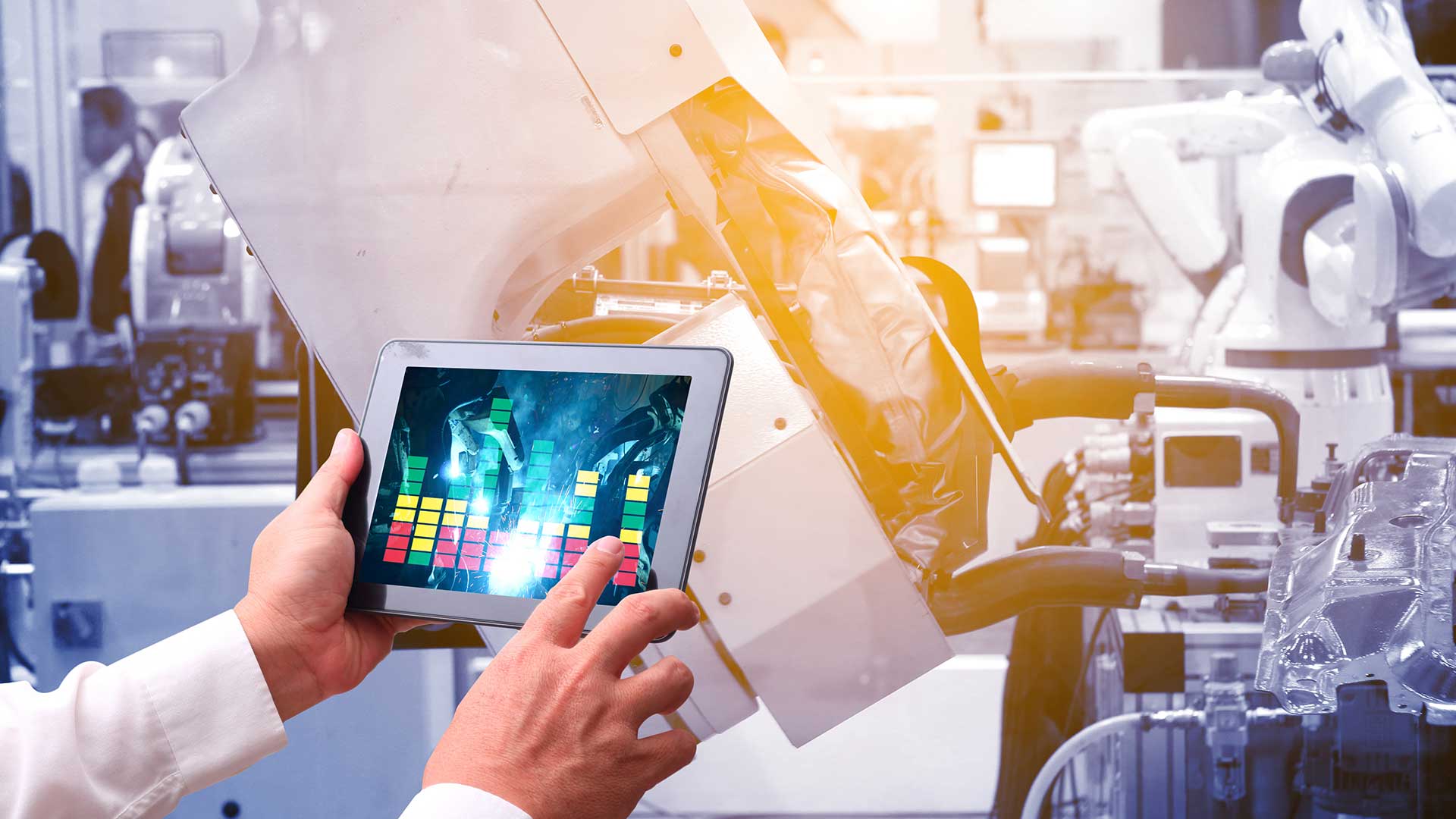
New Product Design and Development & Prototype
New Product Design and Development is a comprehensive process that involves creating and bringing a new product to market. It typically begins with identifying market needs or opportunities, followed by brainstorming and conceptualizing potential solutions. This stage often includes designing product features, functionality, and aesthetics.
Prototype Development is a critical phase in this process. A prototype is a preliminary model of the product used to test and validate its design. It allows designers and engineers to explore how the product works, identify potential issues, and gather user feedback before final production. Prototypes can range from simple, low-fidelity models to more advanced, high-fidelity versions that closely resemble the final product. This iterative process helps refine the design, reduce risks, and ensure the product meets customer expectations.
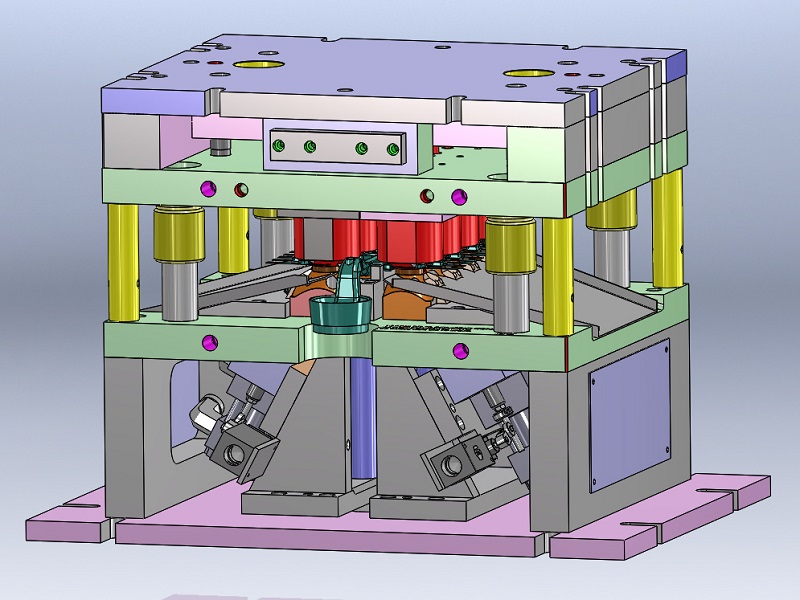
Tool Design and Manufacturing
Tool design and manufacturing are essential aspects of the production process in various industries.
Tool Design involves creating tools and machinery that are used to produce parts or products. This includes designing tools for machining, stamping, molding, or assembly, tailored to specific production requirements. The design process focuses on functionality, precision, durability, and efficiency to ensure the tools meet the needs of the manufacturing process.
Tool Manufacturing refers to the actual production of these tools. It involves fabricating, assembling, and testing tools to ensure they perform as intended. This process often includes techniques like machining, casting, or additive manufacturing. The goal is to create high-quality tools that can consistently produce parts to tight tolerances and specifications, contributing to the overall effectiveness and efficiency of the manufacturing operation.
Together, tool design and manufacturing are crucial for optimizing production processes, ensuring product quality, and achieving cost-efficiency in manufacturing.
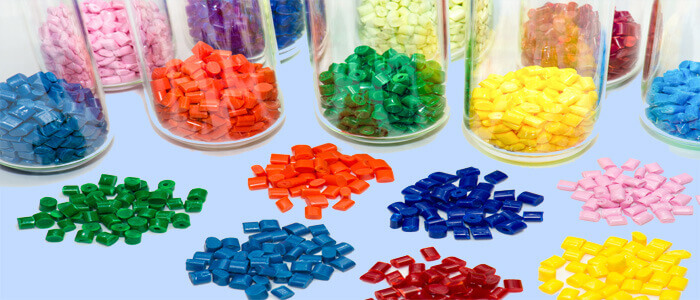
Material and product Testing
Material and product testing is a critical process in ensuring the quality, safety, and performance of materials and products. This involves evaluating the physical, chemical, and mechanical properties of materials to ensure they meet specified standards and requirements. Testing helps identify potential weaknesses, ensure compliance with regulatory standards, and verify that products perform as intended under various conditions. Common testing methods include tensile testing, impact testing, corrosion testing, and thermal analysis. Effective testing not only enhances product reliability and safety but also contributes to innovation and efficiency in manufacturing and product development.
Value and Engineering
Value engineering is a methodical approach aimed at improving the value of a product, project, or process. By focusing on enhancing functionality and reducing costs, it seeks to achieve optimal performance while maintaining or increasing quality.
Engineering, in this context, refers to the application of scientific principles and mathematical methods to solve problems and create efficient solutions. When combined, value engineering and engineering work together to optimize designs and processes, ensuring that they deliver the best possible value to stakeholders while minimizing waste and costs. This process typically involves analyzing functions, brainstorming alternatives, and implementing the most effective solutions to meet objectives efficiently and economically.
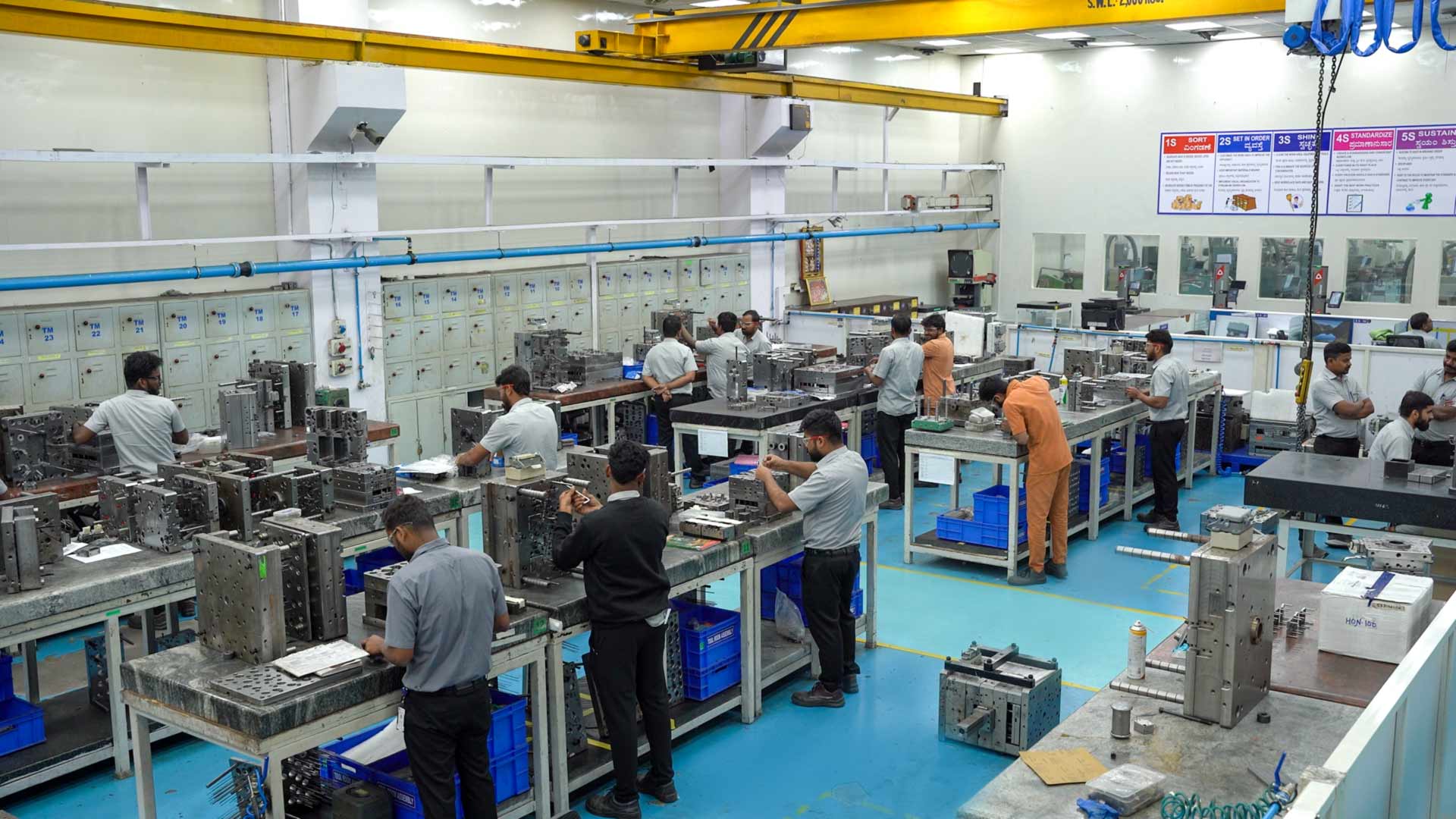
In House Tool Room & Assembly Line
An in-house tool room and assembly line streamline production by providing custom tools and efficient assembly processes within the facility, enhancing precision, reducing lead times, and improving overall operational efficiency.